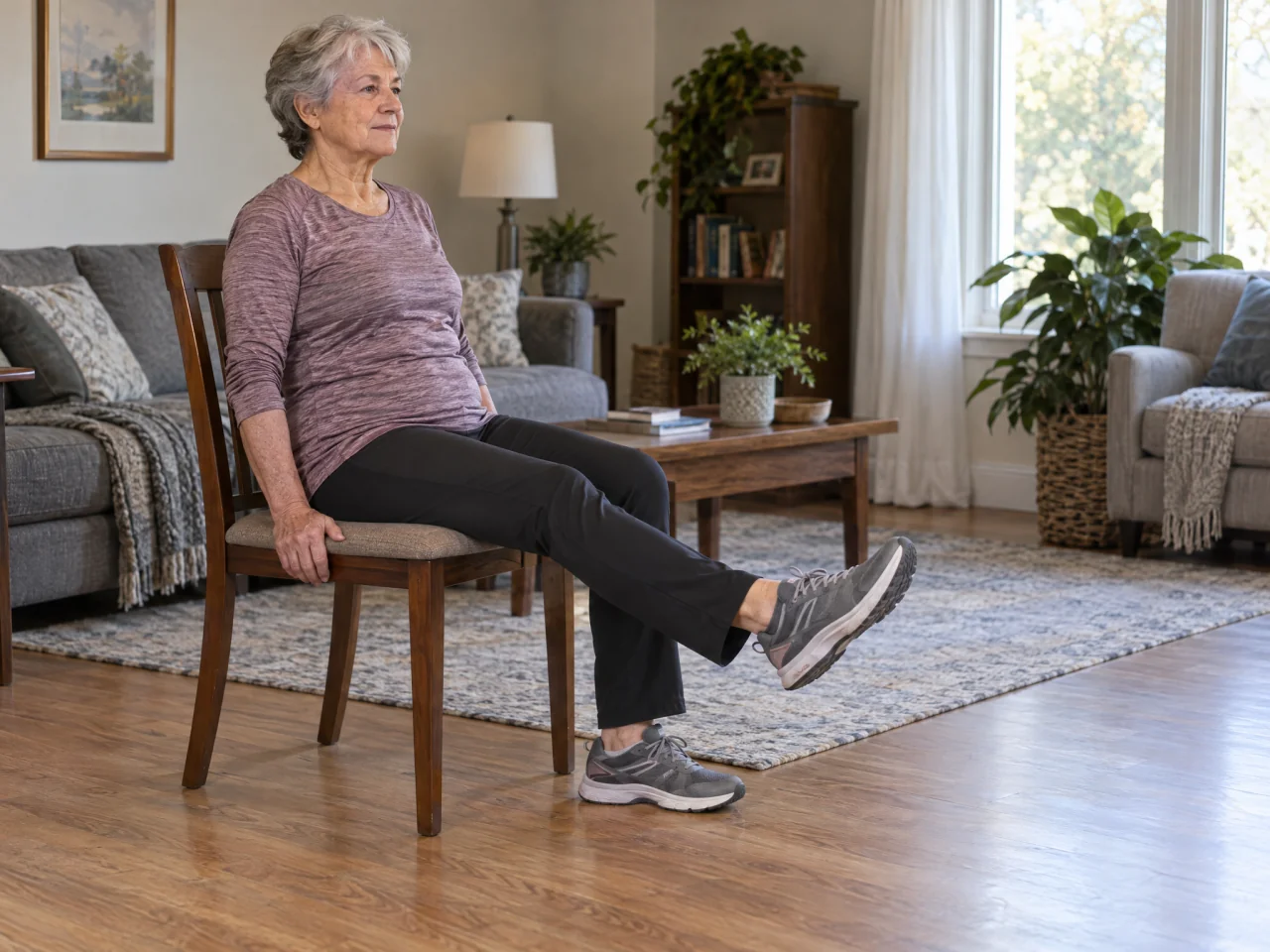
Beginner workout plan for older adults
Build a gentle home routine that improves strength, balance, mobility, and stamina while respecting your support needs, recovery, and health limits.

A plan that meets you today
A gentle workout should match how you move today, not an age-based idea of what you should do. The best plan begins below your limit and leaves room for steady recovery.
Share your usual activity, support needs, available days, home equipment, and any clinician-set limits. ChatGPT can use those details to build a balanced routine that fits your current ability and is easy to adjust over time.
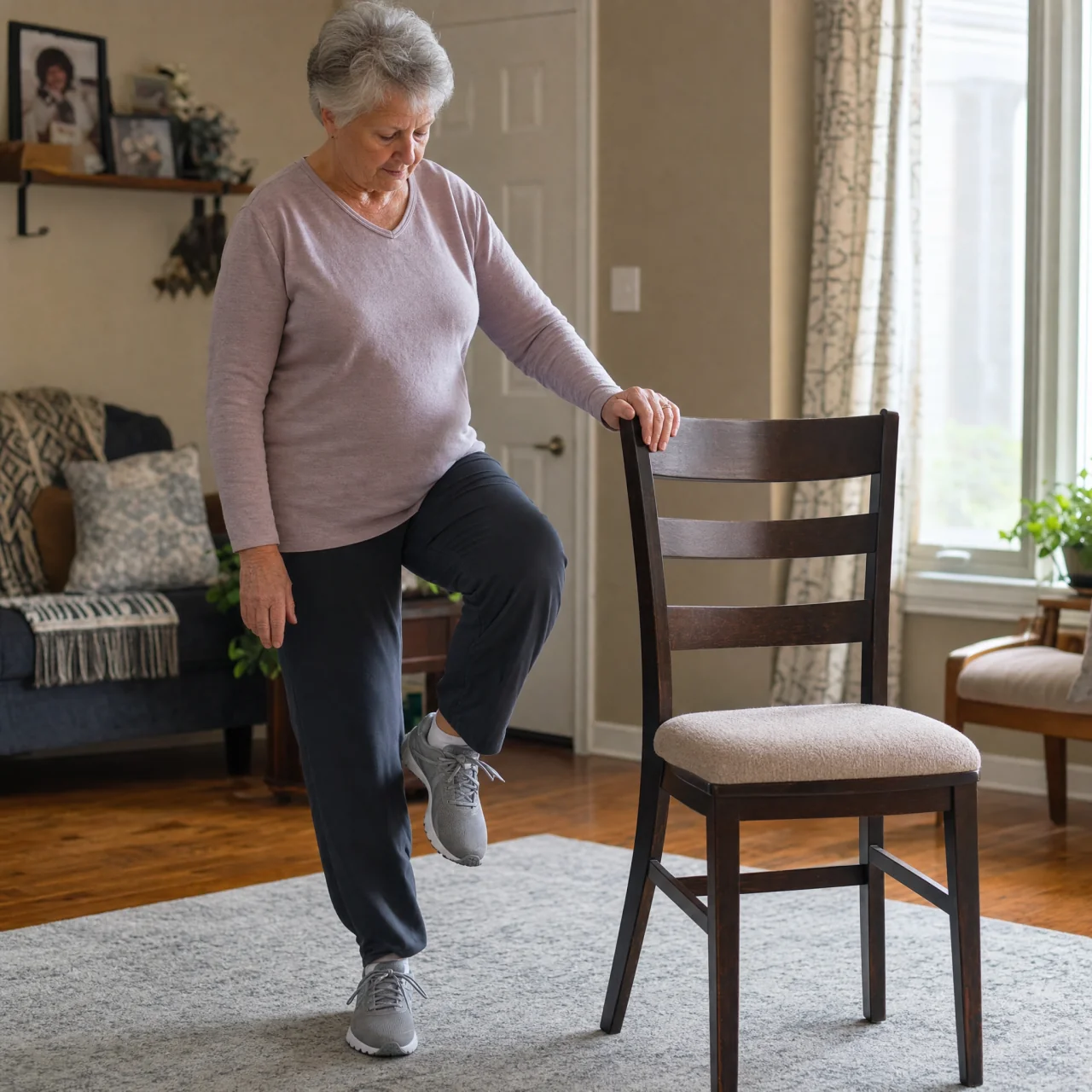
The right place to start
A safe starting point depends on how long you can move comfortably, whether you need support, and how well you recover. Begin seated or use sturdy, nonrolling support as needed, and seek guidance from a doctor or physical therapist about new or lasting pain, dizziness, or balance problems before choosing exercises. ChatGPT can use your recent activity, support needs, physical limits, and clinician instructions to suggest a seated, supported, or standing starting level and a gentle first session.
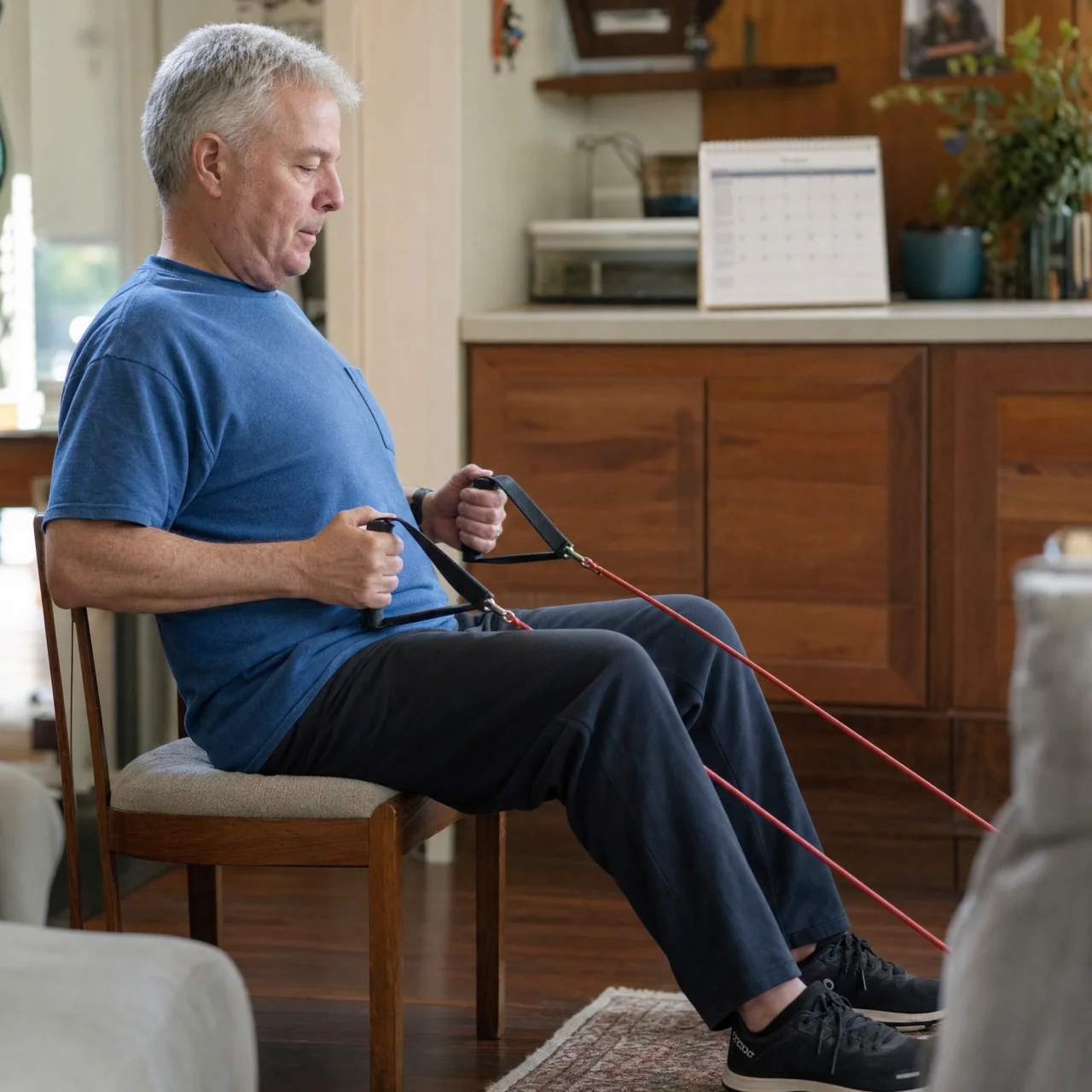
A simple weekly workout routine
A starter week can include two strength days, three short sessions of easy cardio, and brief balance or mobility practice on most days. A workout may begin with easy movement, then use chair squats, wall push-ups, heel raises, supported balance, and gentle stretches, with rest between harder days. ChatGPT can turn your available days, equipment, current ability, and clinician limits into a clear one-week routine with exercises, sets, rest, and easier options.
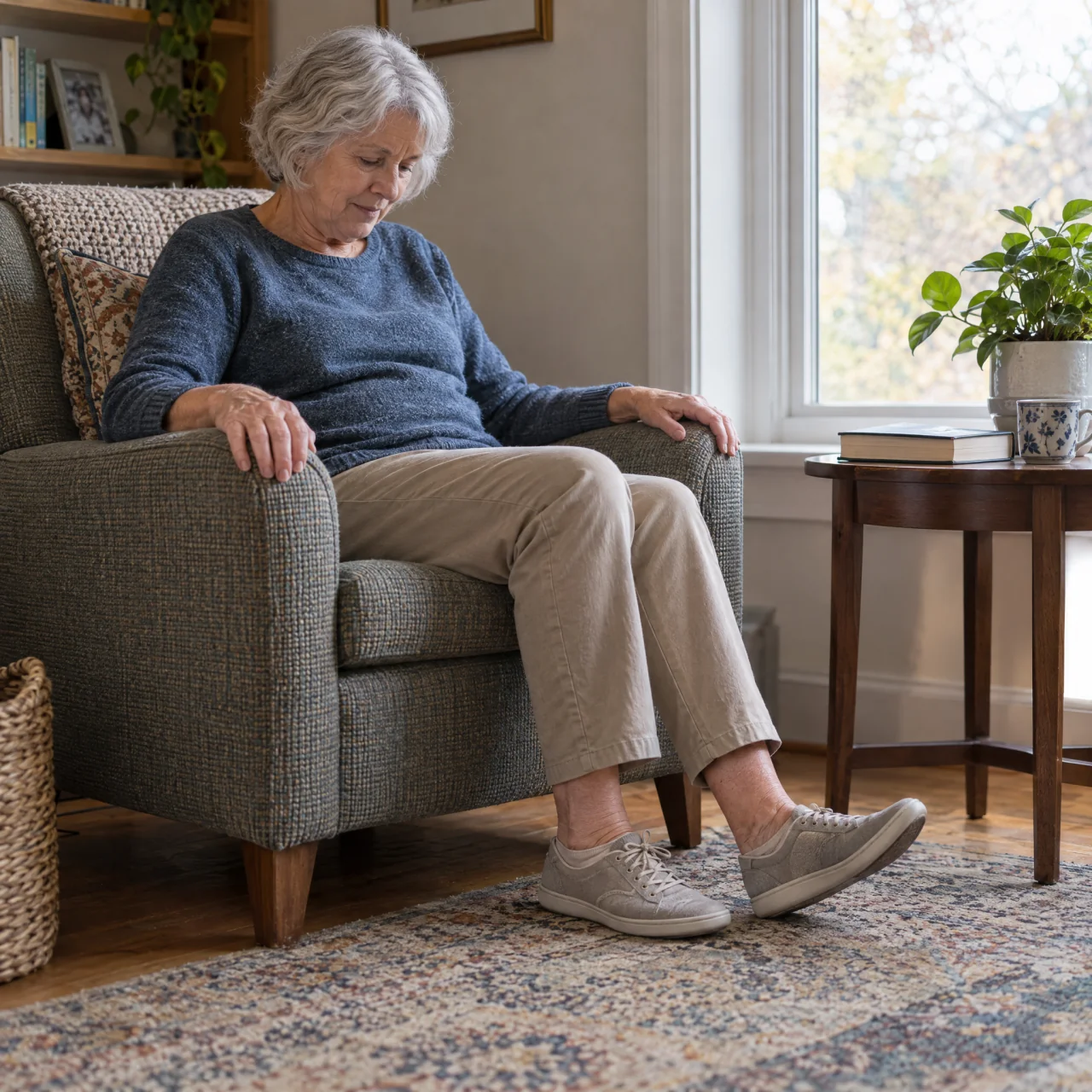
Small movement breaks between workouts
Between workouts, try a brief movement break tied to something you enjoy, such as comfortable seated ankle movements after a chapter of a book or gentle seated arm movements during a favorite song. Keep movements within clinician-set limits and stop for sharp pain, faintness, or unusual breathlessness; call 911 immediately for persistent or returning chest pressure or discomfort, especially with breathlessness or faintness, rather than waiting for chat. ChatGPT can suggest brief movement breaks around activities you enjoy, using your support needs, comfortable movements, and clinician-set limits to offer suitable options.
How to progress without rushing
The first goal is regular practice, not reaching your limit. When a full week feels comfortable and recovery is normal, change only one thing, such as adding a few repetitions, a slightly longer session, or a little resistance; reduce the next session if soreness or tiredness lasts longer than expected. ChatGPT can review your completed workouts, effort, soreness, and recovery, then suggest one small change or an easier week based on how your body responded.
Ask ChatGPT

Build healthier days around your workout
Fit movement into a simple daily rhythm with meals, sleep, breaks, and time to unwind. A broader routine can make healthy choices easier to repeat.