Bodyweight workout for beginners
Follow a simple 30-minute full-body routine at home using a sturdy chair, with clear form cues and easier or harder options.
Your first home workout, made simple
Bodyweight training is easier to stick with when the plan is clear and the moves fit your current ability. The routine below uses a small open space, a sturdy chair, and about 30 minutes for a full-body session.
ChatGPT can use how active you are now, which moves concern you, and whether the pace feels too fast to suggest suitable versions and timing changes within this same routine.
A simple 30-minute full-body session
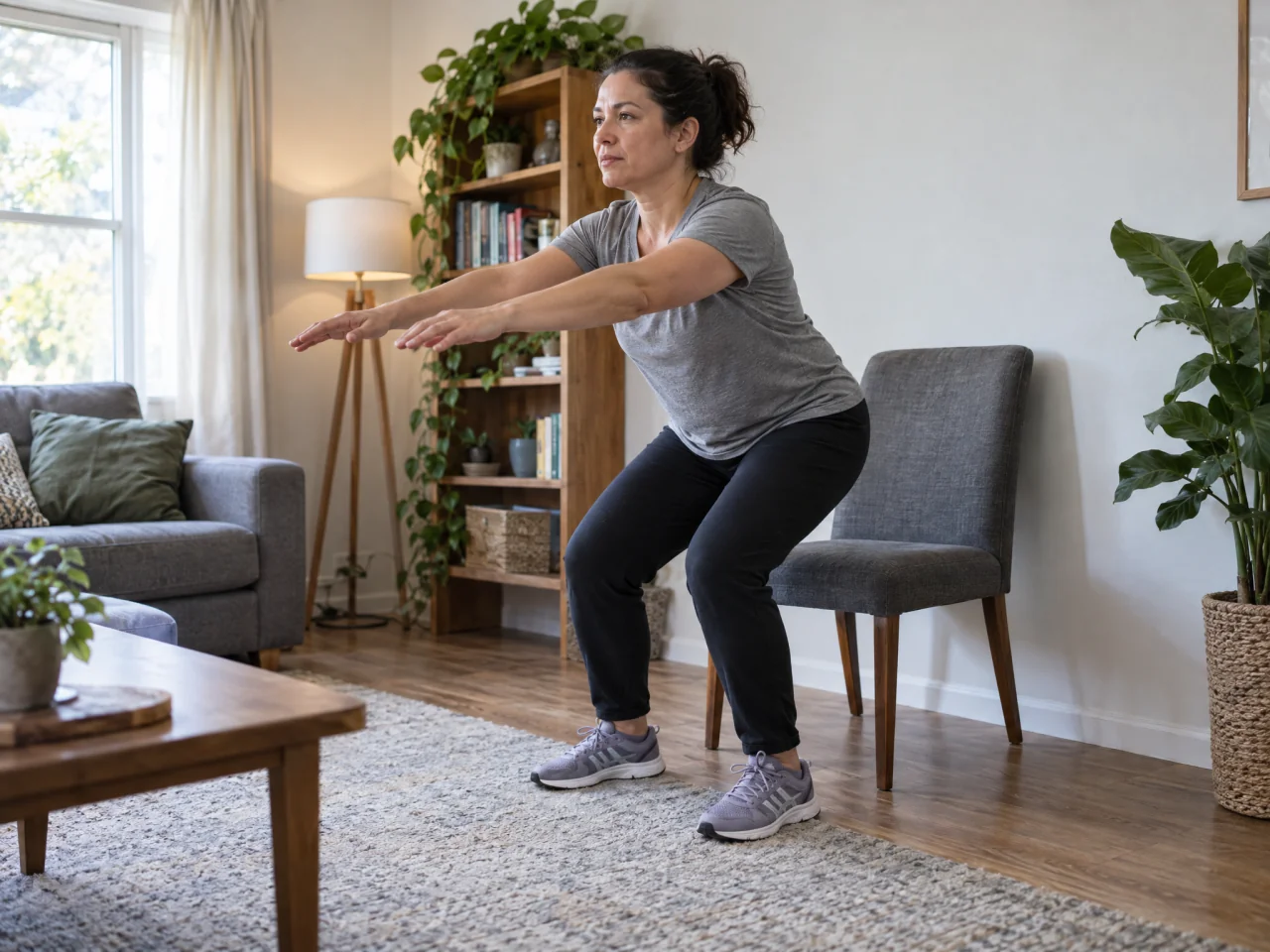
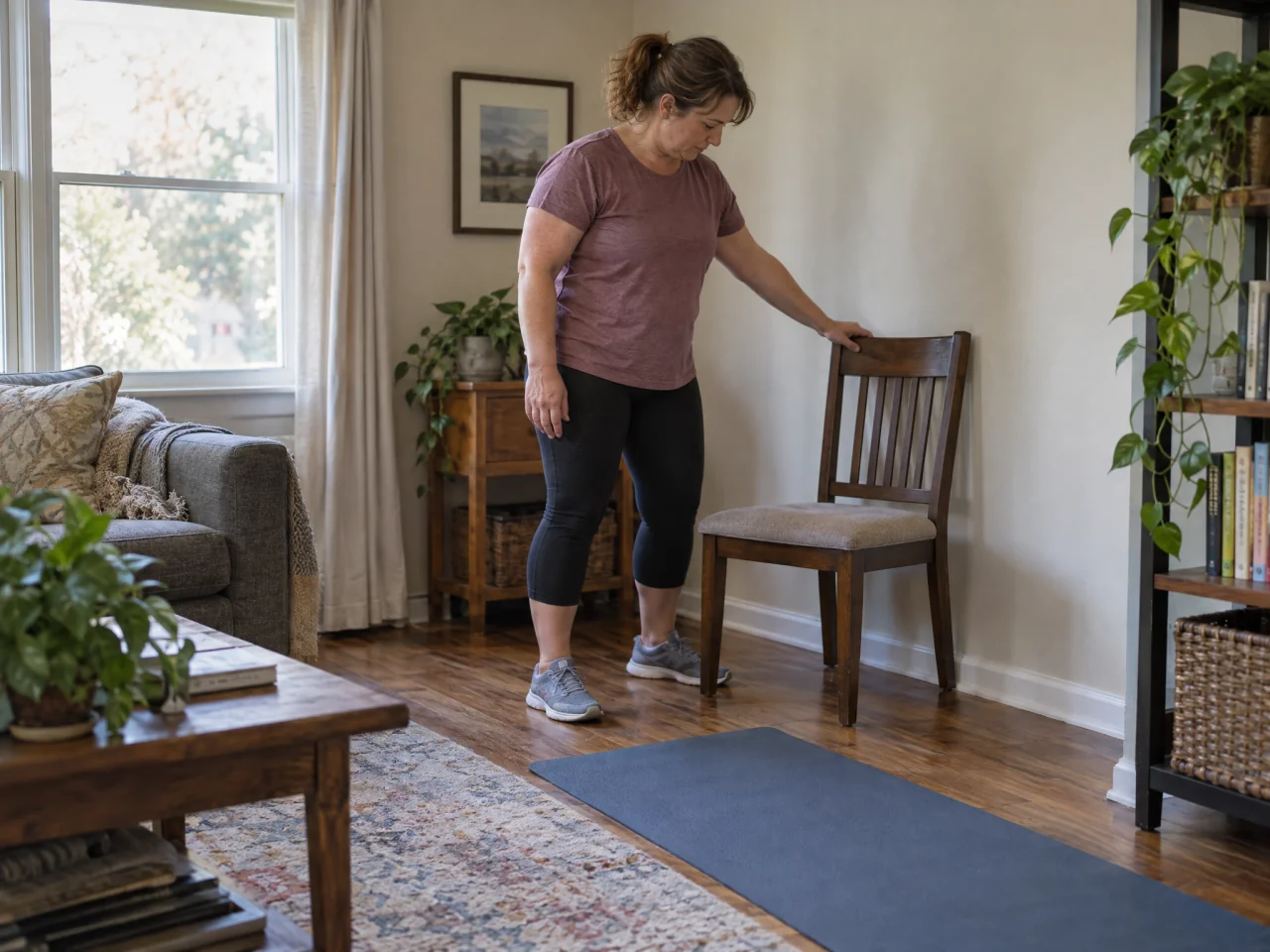
Clear a small space and place a sturdy chair against a wall so it cannot slide. Warm up for five minutes with marching, arm circles, hip hinges, and easy chair squats, then do three rounds of chair squats, wall push-ups, glute bridges, bird dogs, and a knee plank for up to 45 seconds each; rest 20 to 30 seconds after each move and 60 to 90 seconds between rounds, then cool down for five minutes. ChatGPT can explain this routine exercise by exercise, including the order, timing, basic form, and rest breaks.
What good form feels like
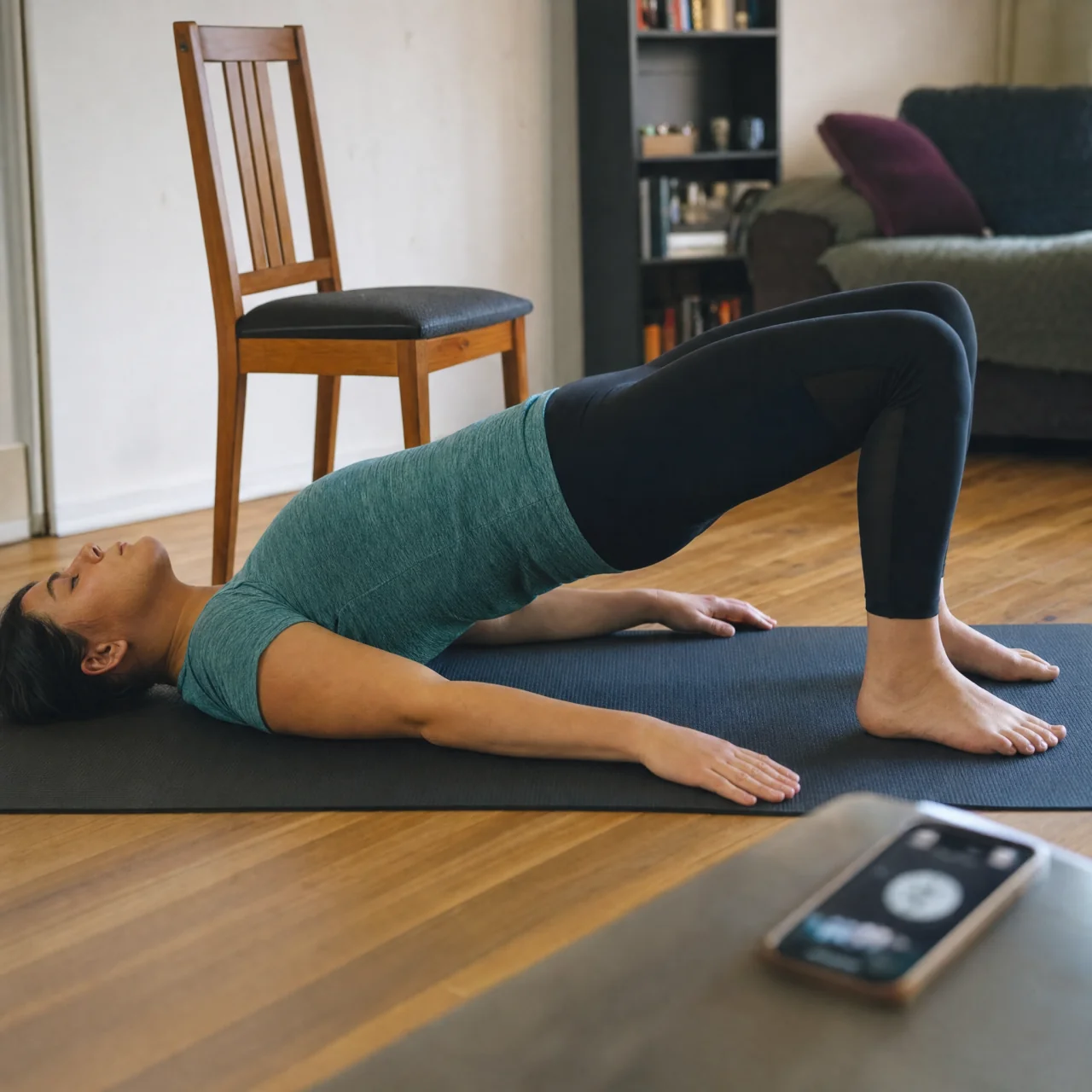
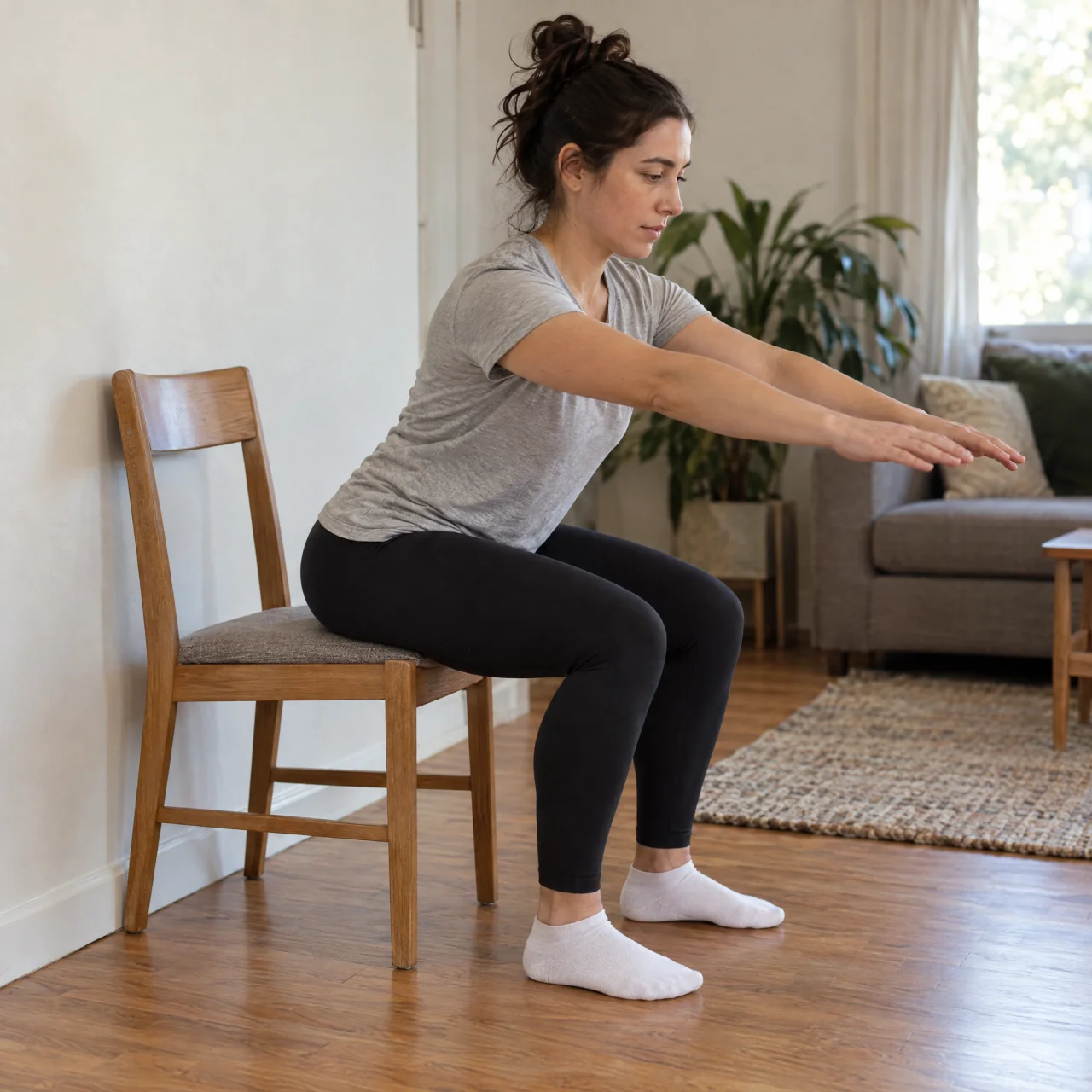
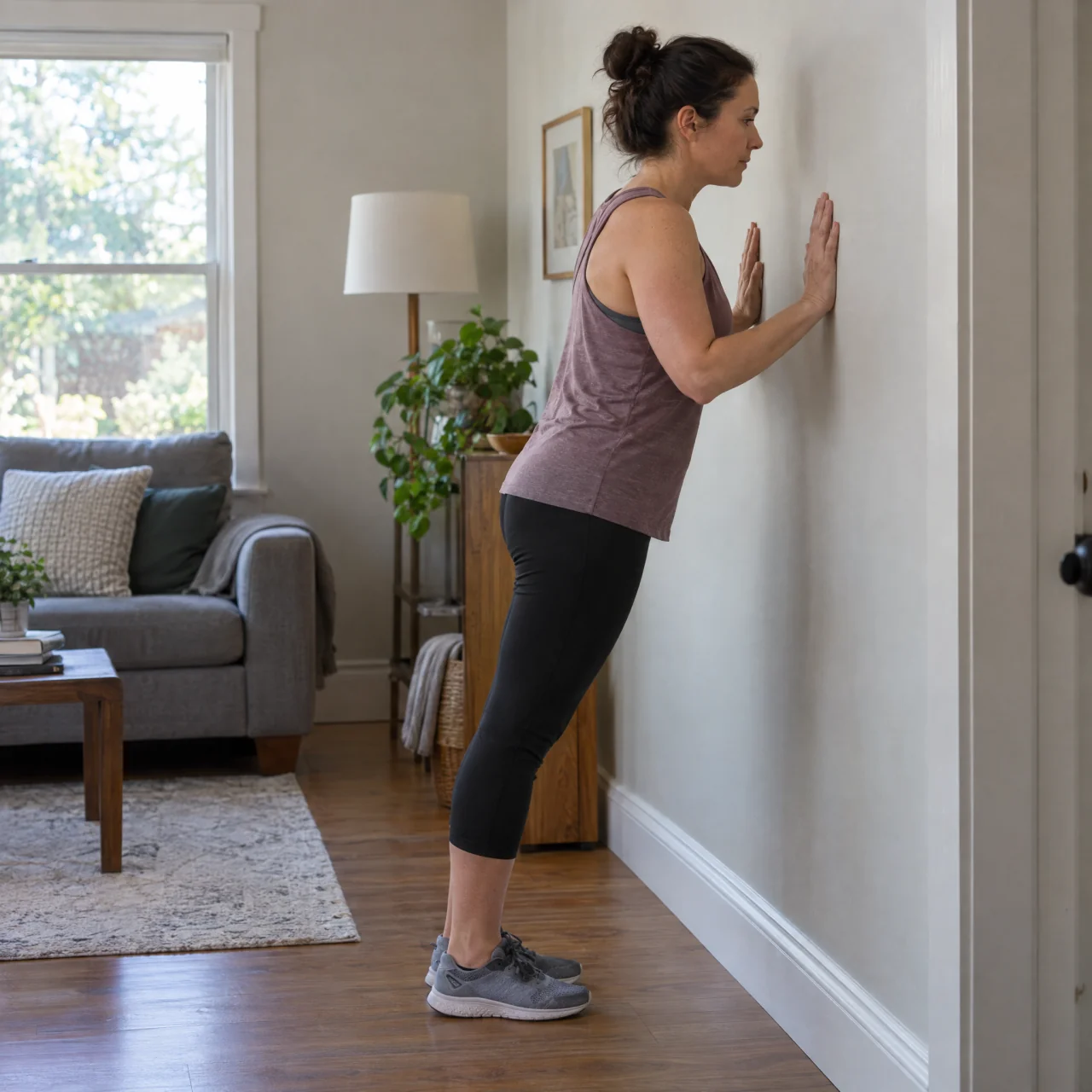
For chair squats, stand in front of the chair with your feet about hip-width apart, sit back until you lightly touch the seat, then stand; for wall push-ups, place your hands on the wall at chest height, keep your body straight, bend your elbows, and press away; for glute bridges, lie on your back with your knees bent and feet flat, then lift your hips without arching your lower back. For bird dogs, start on your hands and knees and reach the opposite arm and leg without twisting; for knee planks, place your forearms and knees on the floor with your elbows under your shoulders and keep your body straight; during repetitions, breathe out during the effort and breathe in as you return, breathe steadily without holding your breath during planks or other holds, and stop for sharp or worsening pain. ChatGPT can explain the starting position, movement, and breathing cues for any exercise in the routine.
When a move does not feel right
If chair squats feel too hard, use a higher seat or light hand support; if they feel easy, lower slowly and pause above the chair. Stand closer to the wall for easier push-ups or farther away for harder ones; use a smaller hip lift or a longer bridge hold; move only one limb during bird dogs or pause with both limbs raised; and switch between a wall plank, knee plank, or full plank as needed. ChatGPT can use the exercise, your current version, and what feels too hard or easy to suggest one better-fit variation and work time.
A weekly workout habit
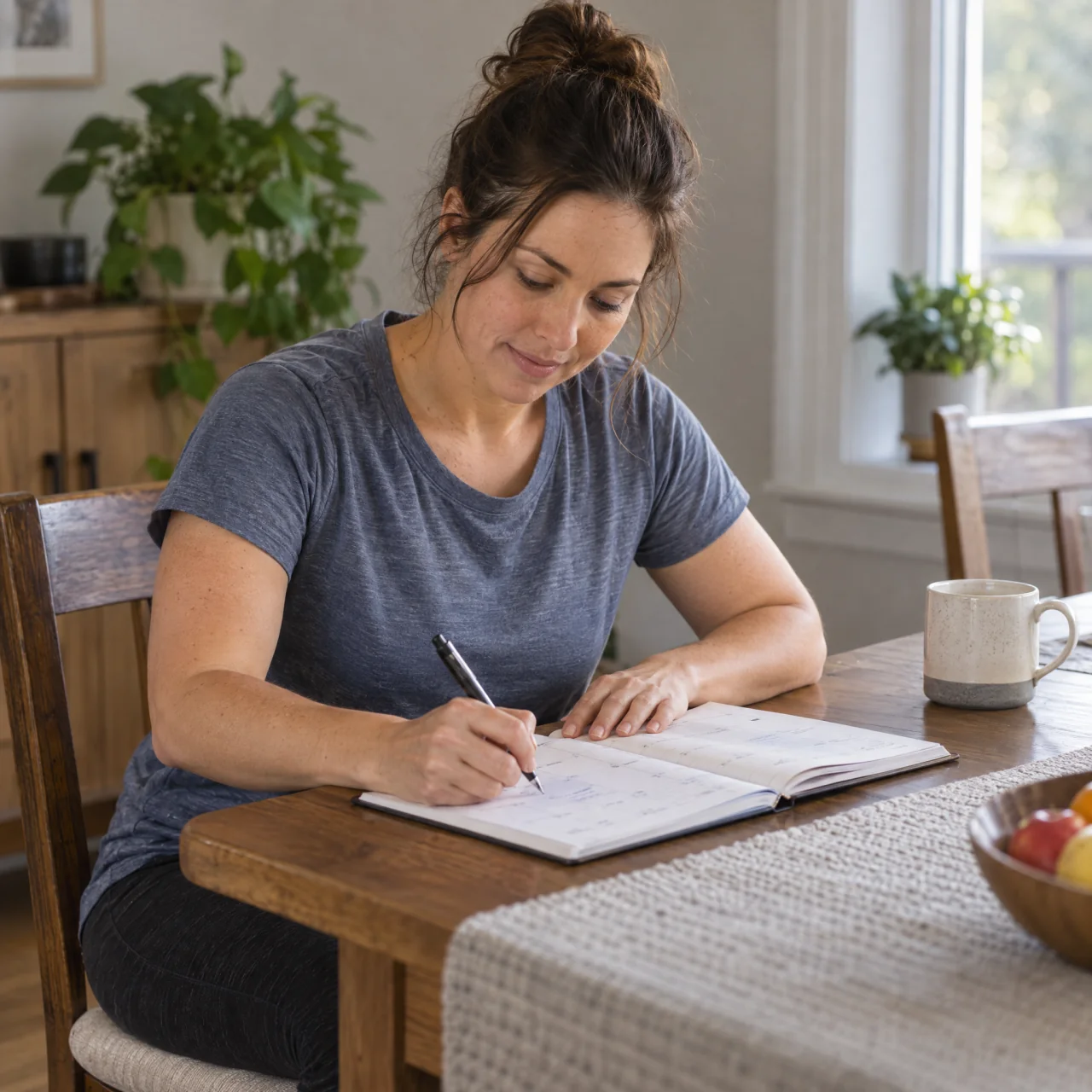
Regular practice matters more than doing a hard workout once. Start with this session two days a week on nonconsecutive days, mark each completed workout, and add a third day only when you recover well and the routine no longer leaves you overly sore. ChatGPT can use your available days and usual free time to create a simple weekly schedule with workout and rest days.
Ask ChatGPT
Round out your fitness week
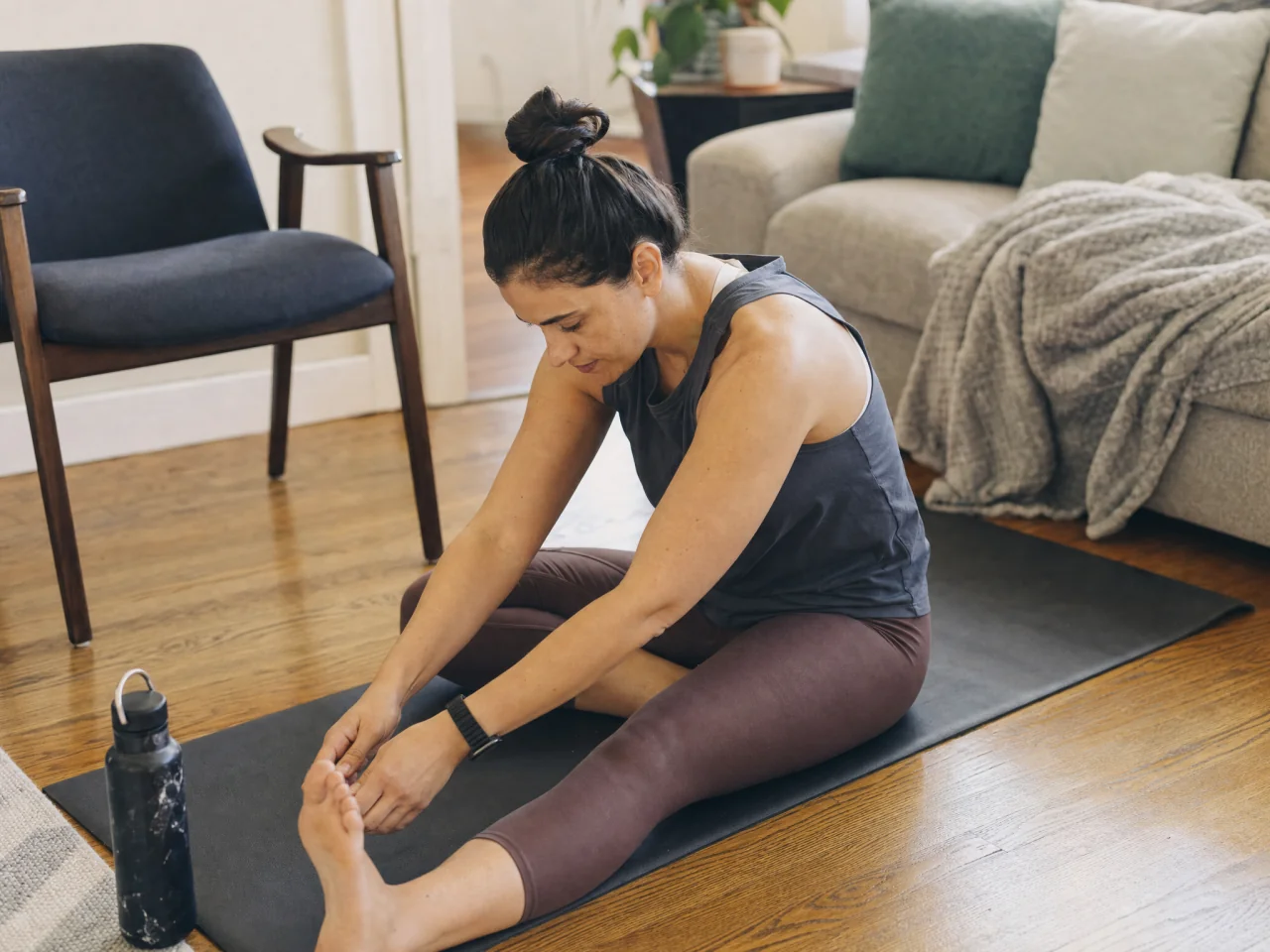
You now have a simple strength routine. Build a balanced week around it with light cardio, mobility, and rest, or check whether your current schedule leaves enough recovery time.