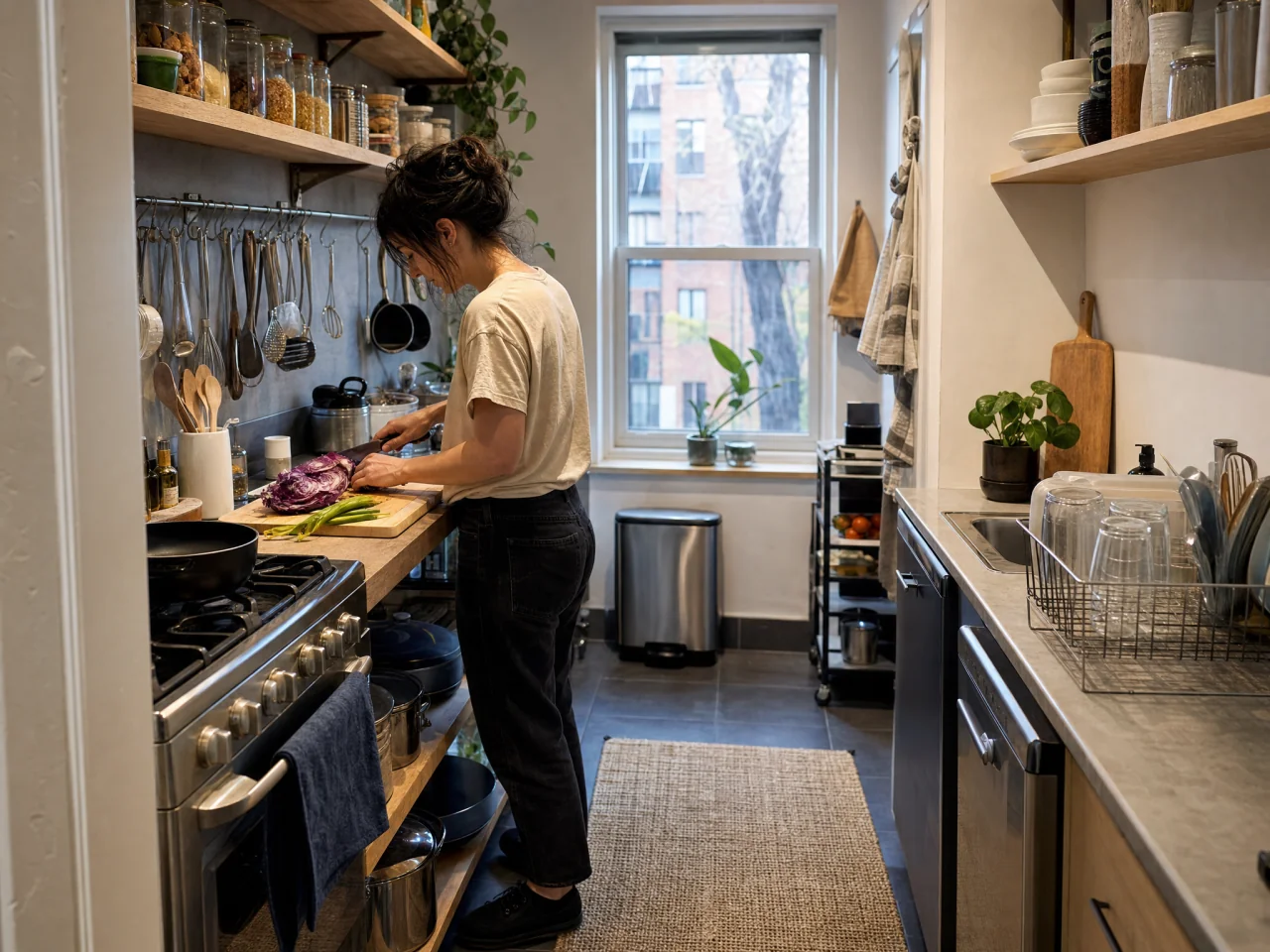
How to organize a small kitchen
Make a compact kitchen easier to use with clear task zones, measured storage fixes, low-cost ideas, and safer spots for everyday items.
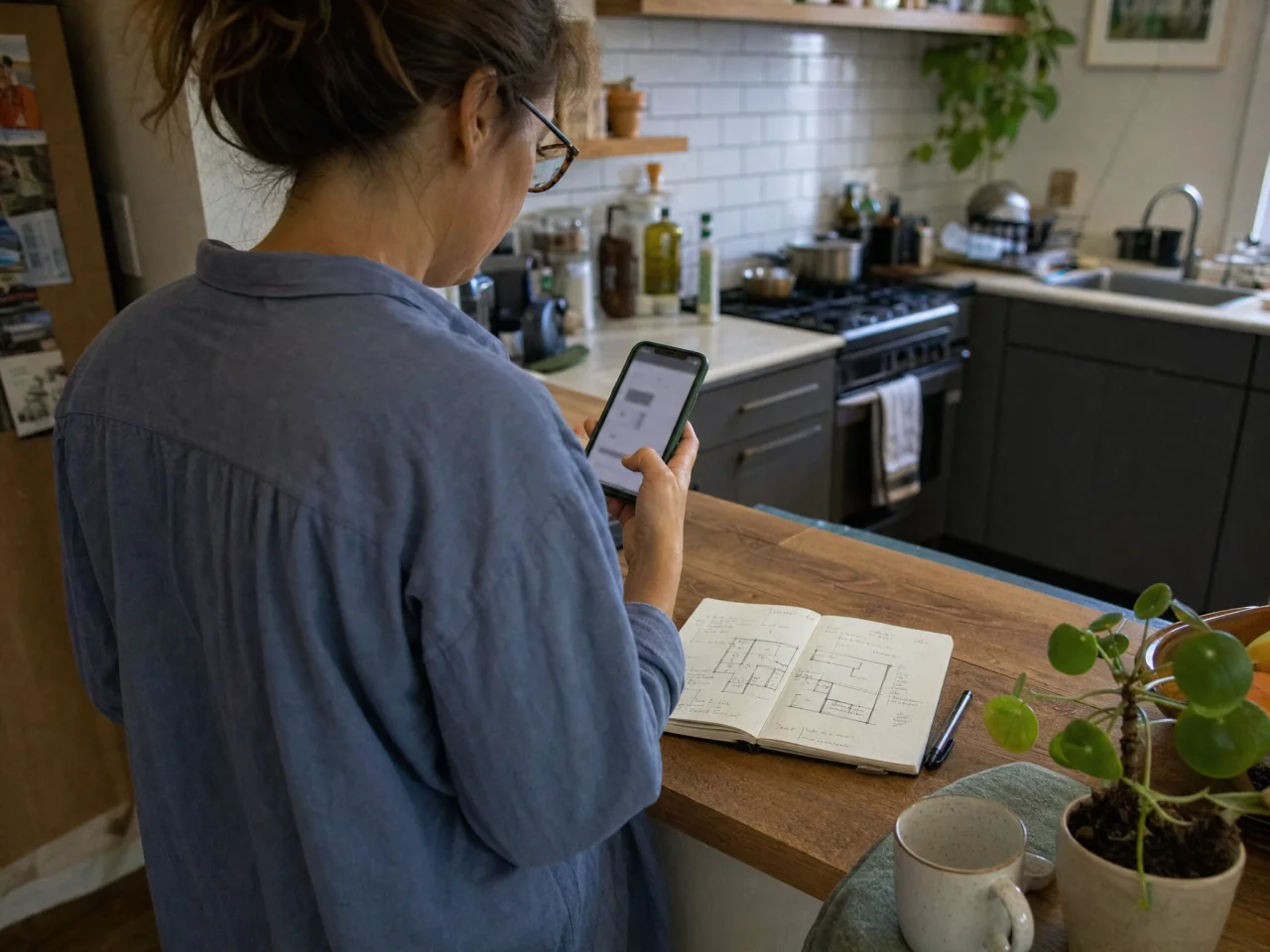
Make every storage spot count
A small kitchen works best when each item sits near the task it supports and the busiest areas are easy to reach. Before adding storage, notice where cooking gets slowed by crowded surfaces, awkward shelves, or unsafe placement.
Share your layout, daily cooking habits, budget, and rental limits with ChatGPT to get a practical plan that starts with the highest-impact zone and uses only measured, useful fixes.
Your kitchen’s biggest trouble spots
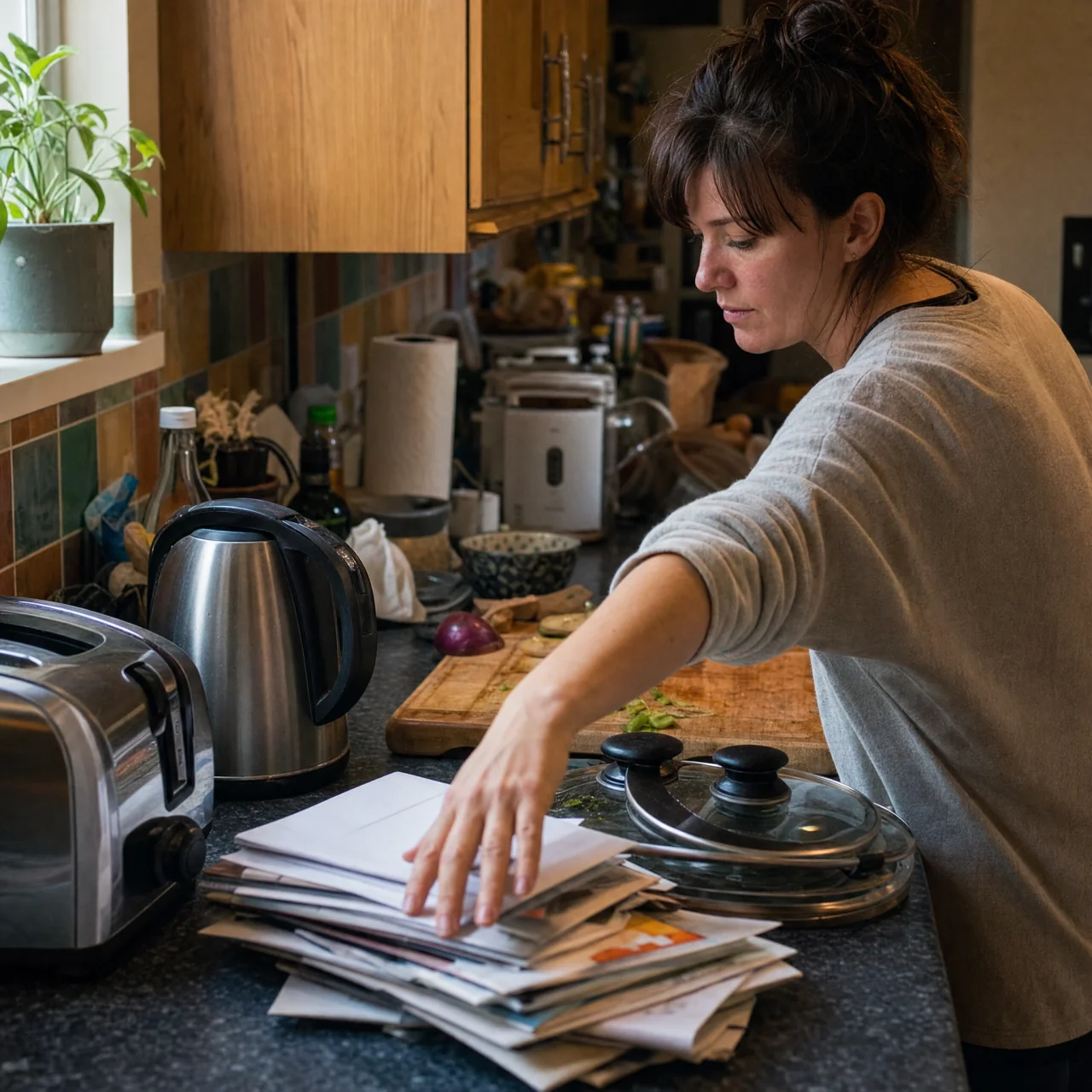
A small kitchen often feels crowded where cooking slows down: packed counters, stacked pans, hard-to-reach food, or tools stored far from where they are used. The first fix should target the spot that causes the most daily handling, not the cabinet that looks the messiest. ChatGPT can compare your layout, common kitchen tasks, and problem areas to identify the first storage zone worth fixing and explain why.
Low-cost storage that really helps
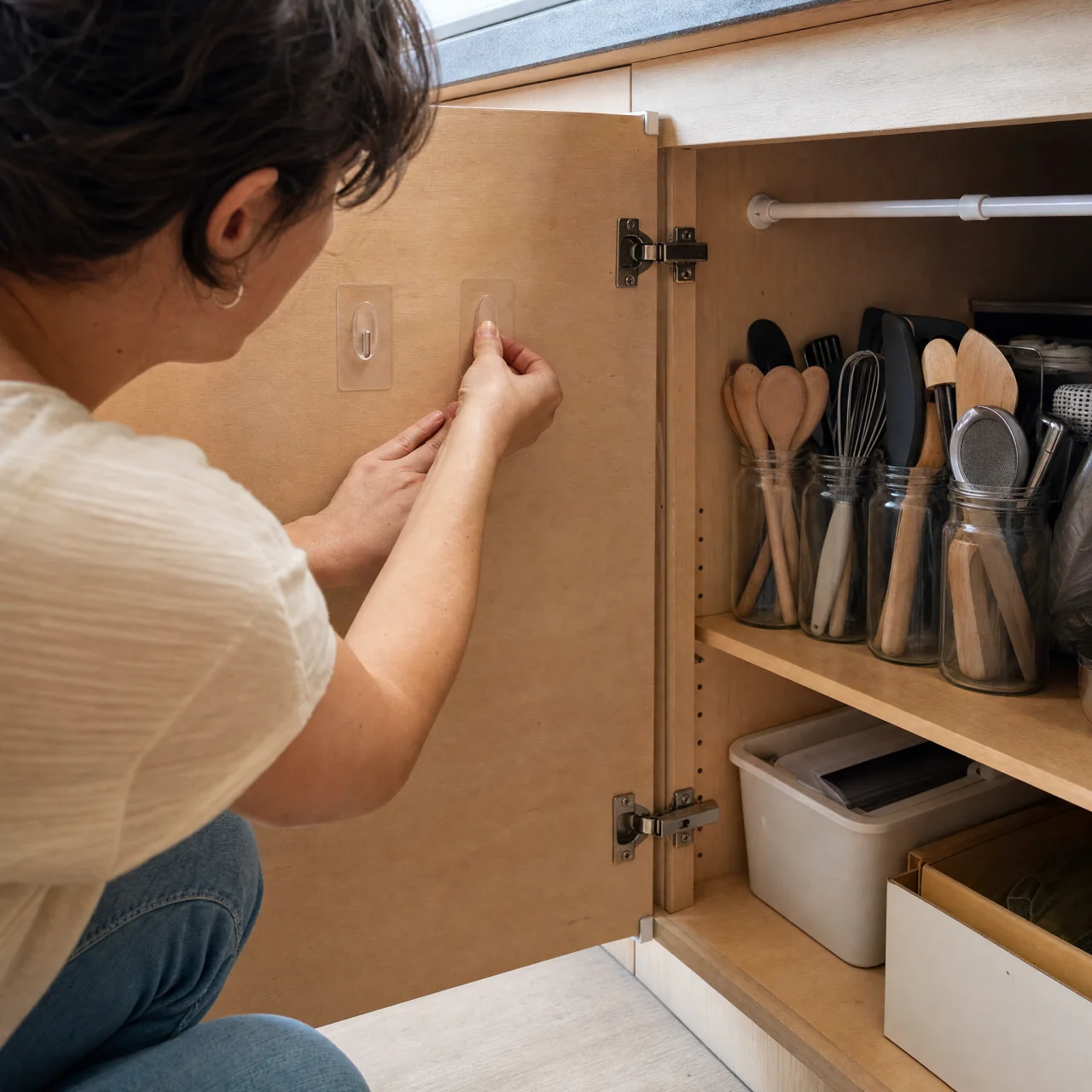
Useful storage does not require a full set of matching bins. Renters and budget-minded households can start with boxes, jars, trays, tension rods, or removable hooks already on hand, then buy only an item that solves a measured gap. ChatGPT can use your budget, installation rules, and reusable supplies to suggest affordable storage fixes ranked by likely impact.
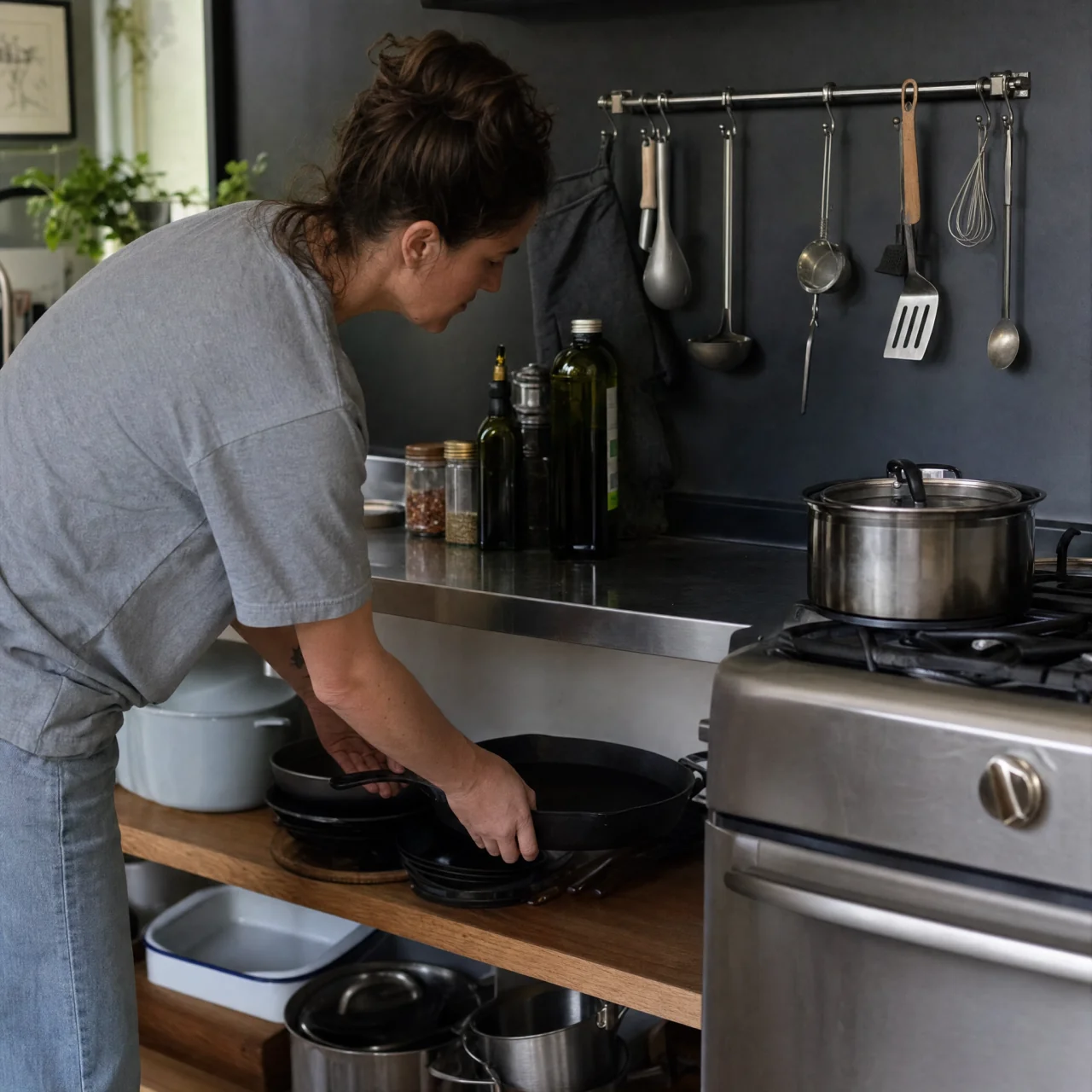
A simple one-zone reset
A one-zone reset keeps the kitchen usable while you group items by task and choose homes near where you use them. Keep daily items within comfortable reach, heavy cookware below shoulder height, knives secured, and cleaners separate from food and locked away from children. ChatGPT can turn your kitchen layout, item groups, and cooking routine into an ordered plan that moves from the busiest zone to the least used.
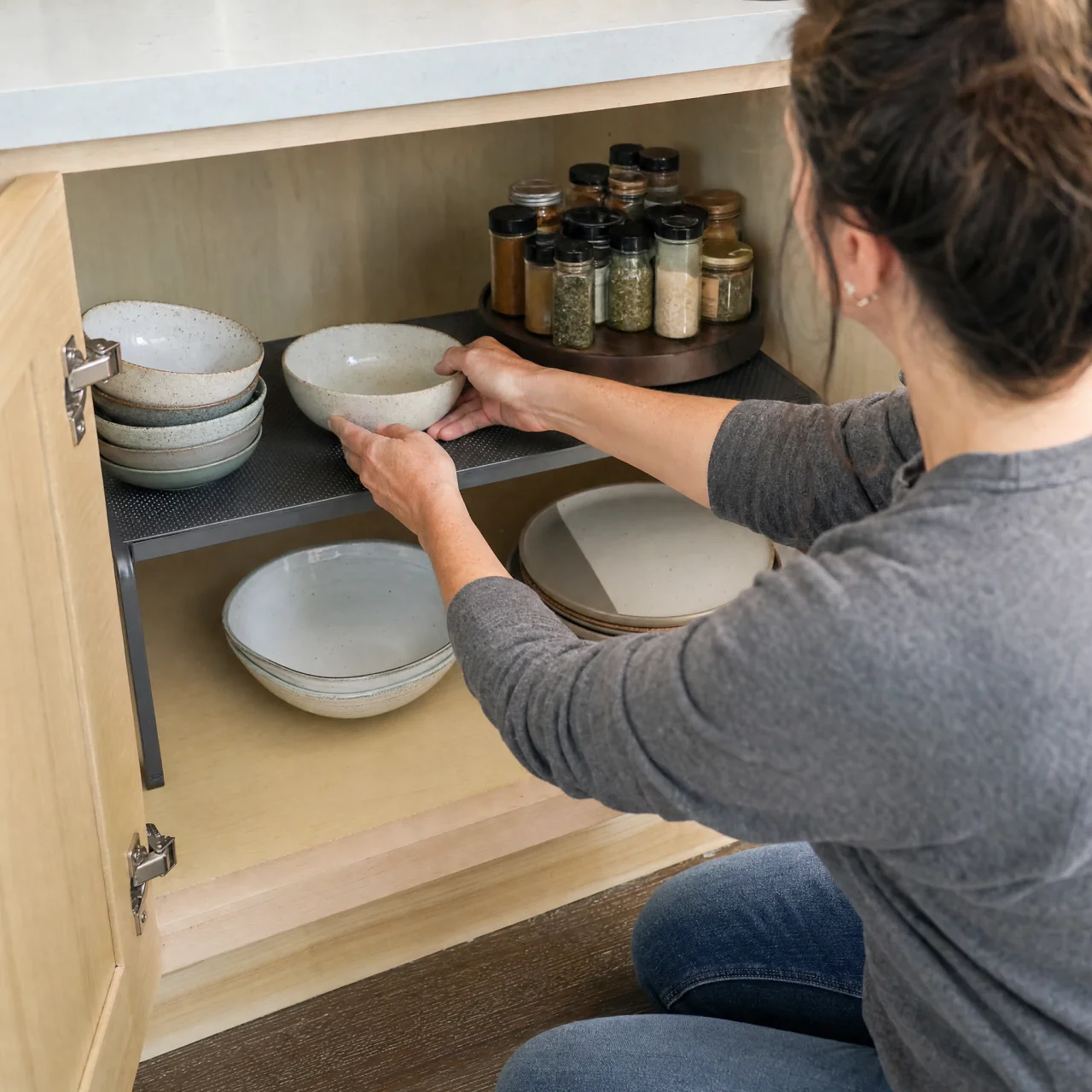
Use empty space without crowding
The best space-saving moves use empty height and narrow gaps without making daily items hard to reach. Shelf risers split tall cabinets, hooks use bare sides, and turntables can open deep corners, but each tool should fit a measured space, stay within its load rating, and leave appliance vents and manufacturer-required clearances unobstructed. ChatGPT can use your cabinet measurements, item list, and current supplies to suggest a few space-saving setups and explain where each one works best.
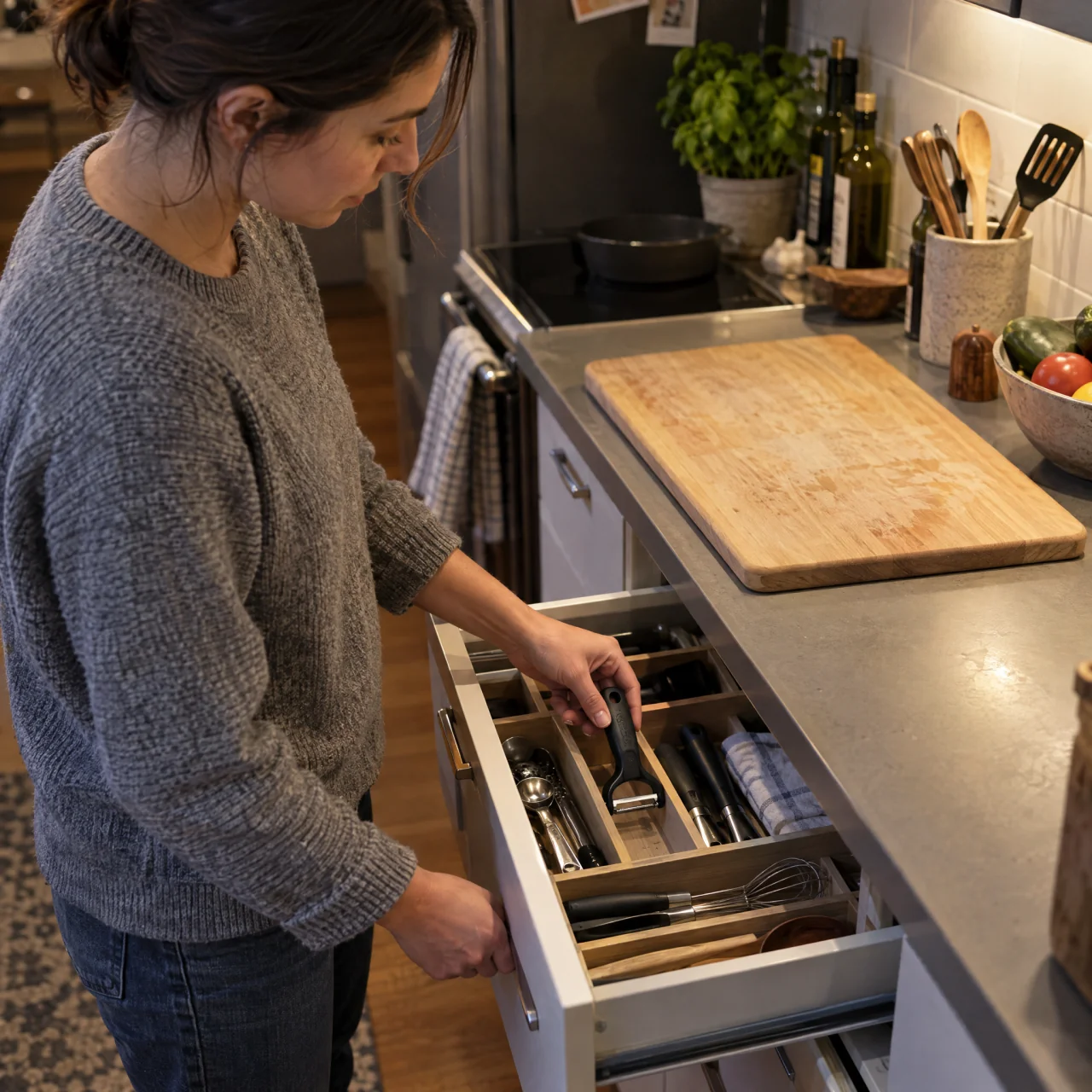
A quick after-dinner kitchen reset
After dinner, return clean, dry tools to their task zones and clear the cutting-board space for the next meal. If the same item keeps landing on the counter, try a more convenient home near where you use it rather than adding another organizer. With photos or a description of your storage and a few details about your evening cooking habits, ChatGPT can create a short after-dinner reset that keeps prep space ready for the next meal.
Ask ChatGPT

Make home routines easier
Once your kitchen has a practical setup, build simple home routines that keep daily tasks moving and reduce rushed cleanup throughout the week.