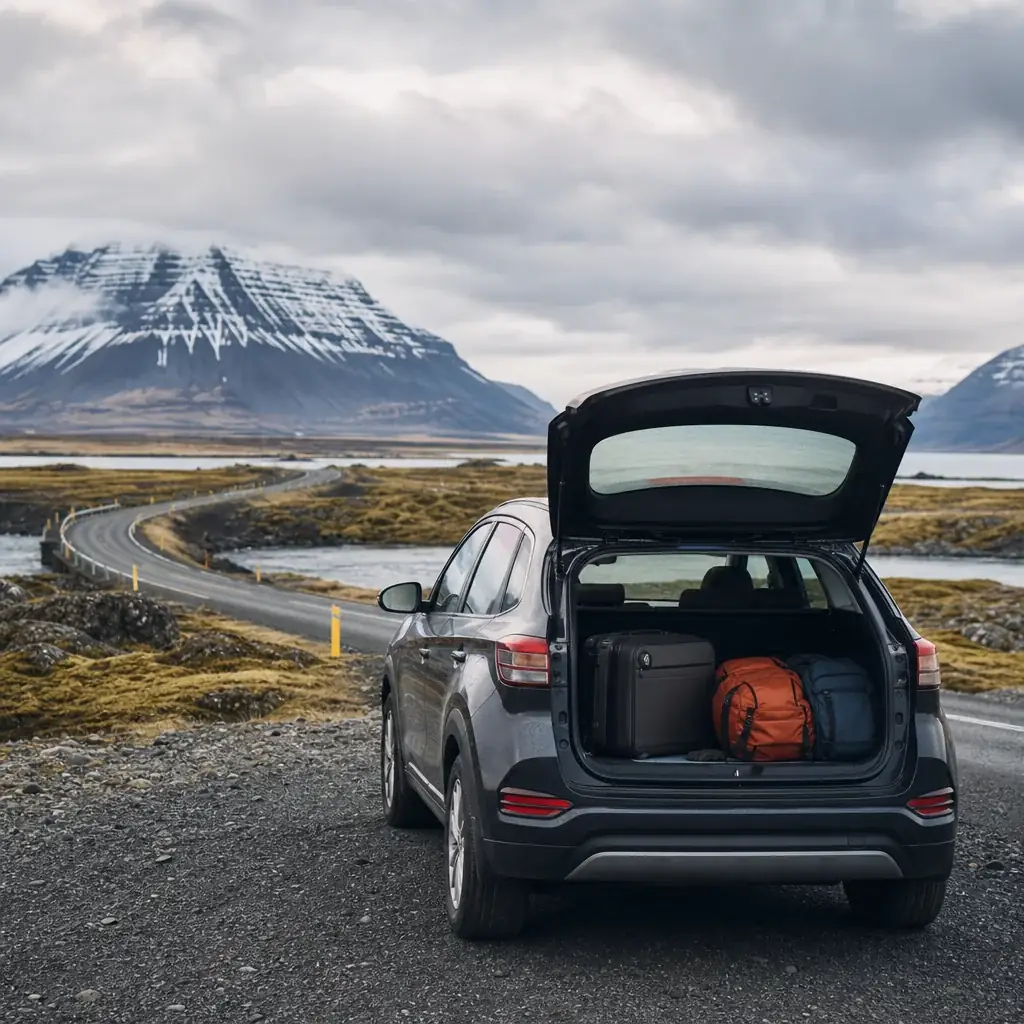
You don’t strictly need a car in Iceland, but whether you’ll want one depends on where you’re staying and how independently you want to travel. Reykjavík is easy to explore without a vehicle; the countryside is where a rental car becomes especially useful.

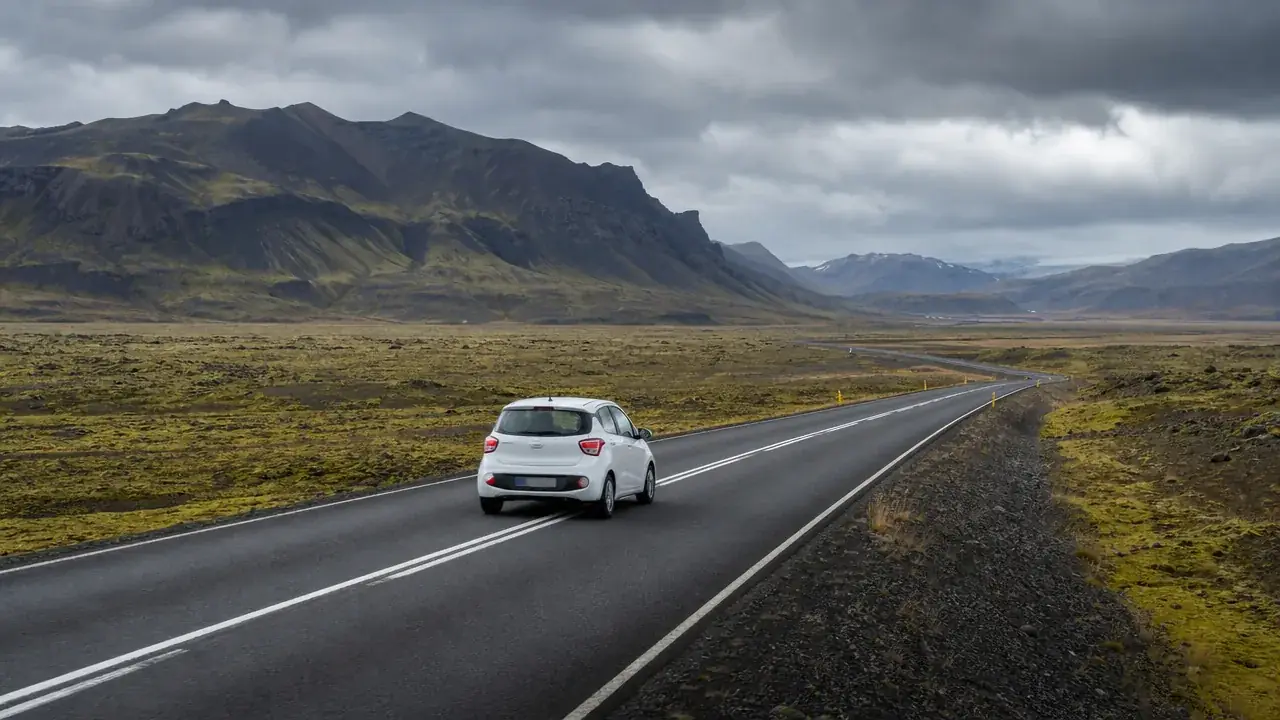
The practical difference between a city stay and a rural Iceland itinerary.
When you can skip the car
You can comfortably visit without driving if you:
- Stay mainly in Reykjavík
- Take airport transfers rather than renting at the terminal
- Book guided day trips to places such as the Golden Circle, South Coast, or Snæfellsnes Peninsula
- Prefer not to drive in winter weather
- Are traveling alone, when tours may cost less than a rental plus fuel and insurance
Reykjavík itself is walkable, and local buses cover the wider urban area. Organized tours are plentiful and remove the burden of monitoring weather, road closures, parking, and changing conditions.
One limitation is that Iceland’s public transportation outside the capital is not designed for effortless sightseeing. Long-distance buses exist, but services can be infrequent or seasonal, and many natural attractions are far from bus stops.
When renting a car makes sense
A car is usually the better choice if you want to:
- Travel the Ring Road
- Stop spontaneously for waterfalls, viewpoints, and short hikes
- Visit rural guesthouses or remote hot springs
- Avoid fixed tour schedules
- Travel as a couple, family, or group and split the cost
- Spend several days exploring beyond Reykjavík
For a short first visit, a common compromise is to spend a day or two in Reykjavík without a car, then rent one only for the countryside portion.
Do you need a 4×4?
For Reykjavík, the Golden Circle, and the main South Coast attractions in good summer conditions, a standard two-wheel-drive car is generally sufficient. A 4×4 is valuable—and sometimes required—when driving mountain roads marked with an F, exploring the Highlands, or traveling during more challenging seasons.
A 4×4 does not make unsafe roads safe. Icelandic weather can change quickly, and roads may close because of snow, ice, wind, flooding, or volcanic activity. Driving off marked roads is prohibited and can seriously damage fragile terrain.
Practical considerations
Icelanders drive on the right. Headlights should remain on, seat belts are mandatory, and speed limits are closely enforced. Before setting out, check official weather and road-condition services each day.
Rental costs can rise substantially after adding fuel and insurance. Read the policy carefully for exclusions involving gravel, wind damage to doors, sand and ash, river crossings, and underbody damage. Never attempt a river crossing in an ordinary rental car, and confirm whether the rental agreement permits it even with a 4×4.
Bottom line: For Reykjavík plus guided excursions, no car is needed. For a flexible countryside trip or Ring Road itinerary, renting one is usually the most practical option. In winter, choose tours unless you are confident driving in snow, ice, darkness, and strong winds.