
7-day meal plan for a family of four
See a realistic day for four, then shape a complete week around cooking time, pantry basics, and leftovers that fit family life.
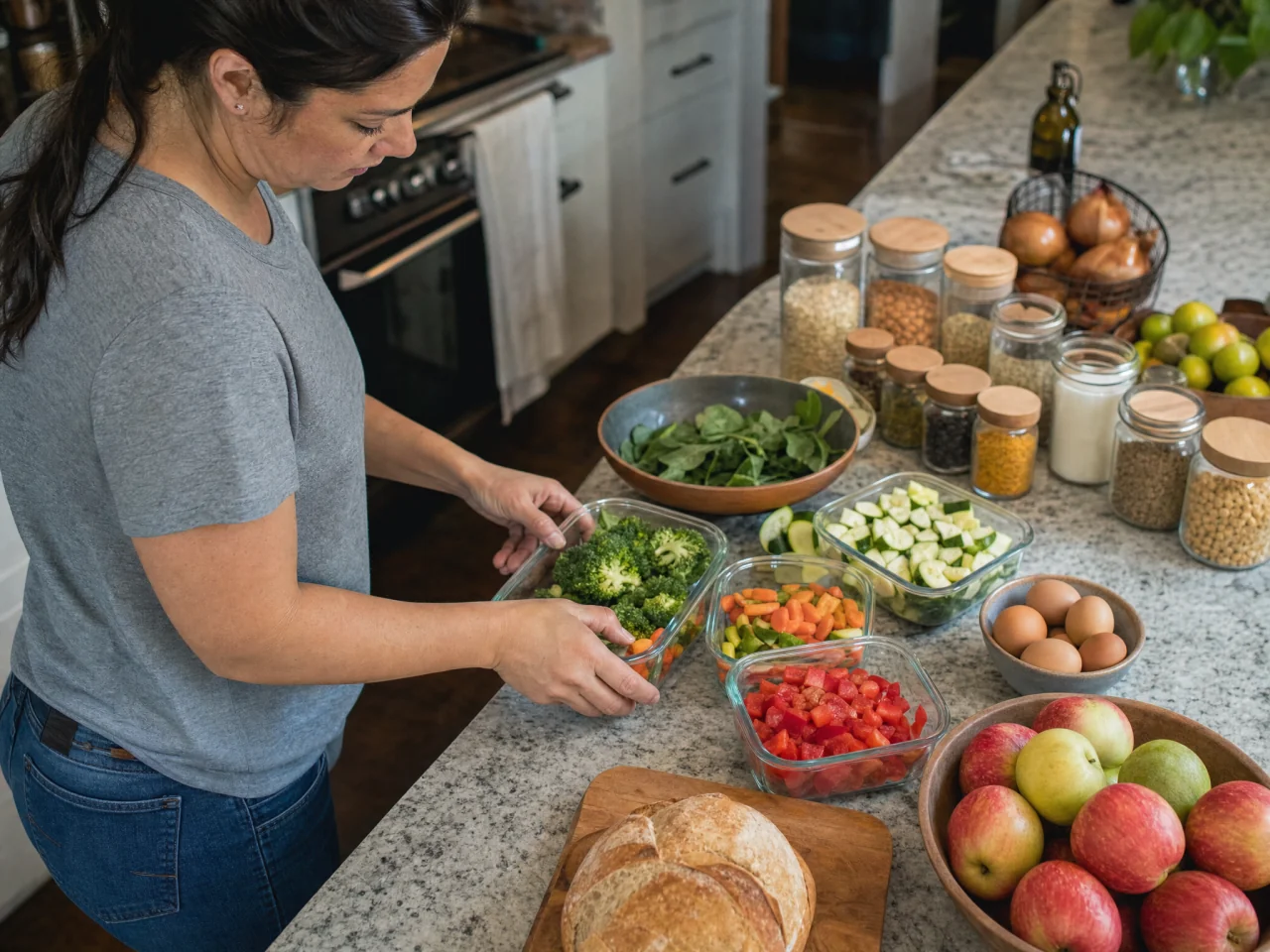
A week that works for four
A useful family menu needs enough variety to stay appealing, but it should not require a new recipe every few hours. A steady pattern for meals and snacks makes portions, prep, and grocery shopping easier to manage.
Using that pattern, ChatGPT can build a complete schedule for four with practical recipes, amounts, and one grocery list while reusing ingredients where it makes sense across the week.
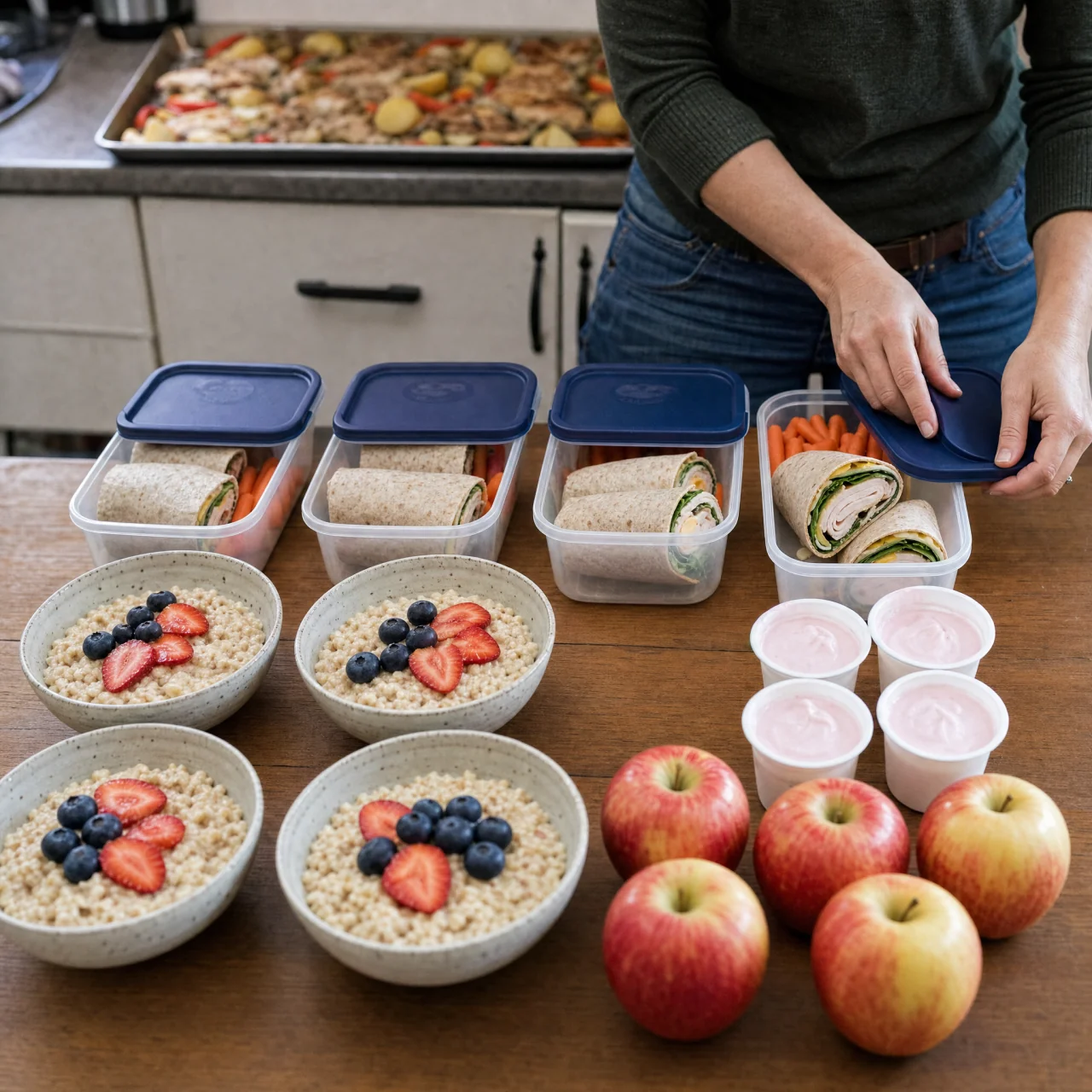
A complete day for four
A representative day for four could pair oatmeal and fruit for breakfast, turkey-and-cheese wraps for lunch, sheet-pan chicken and vegetables for dinner, and yogurt or apples for snacks. The same simple pattern keeps each day complete without making every meal feel alike. ChatGPT can expand this on-page day into a full seven-day schedule with breakfasts, lunches, dinners, snacks, simple recipes, and amounts for four people.

The details that shape your week
Before planning the week, note which evenings are busiest, which lunches can use leftovers, how much cooking time is realistic, and which basic foods are already on hand. These details prevent a good-looking menu from creating extra work or wasted groceries. ChatGPT can turn your answers about time, pantry staples, and leftovers into a short planning brief for a family-of-four menu.
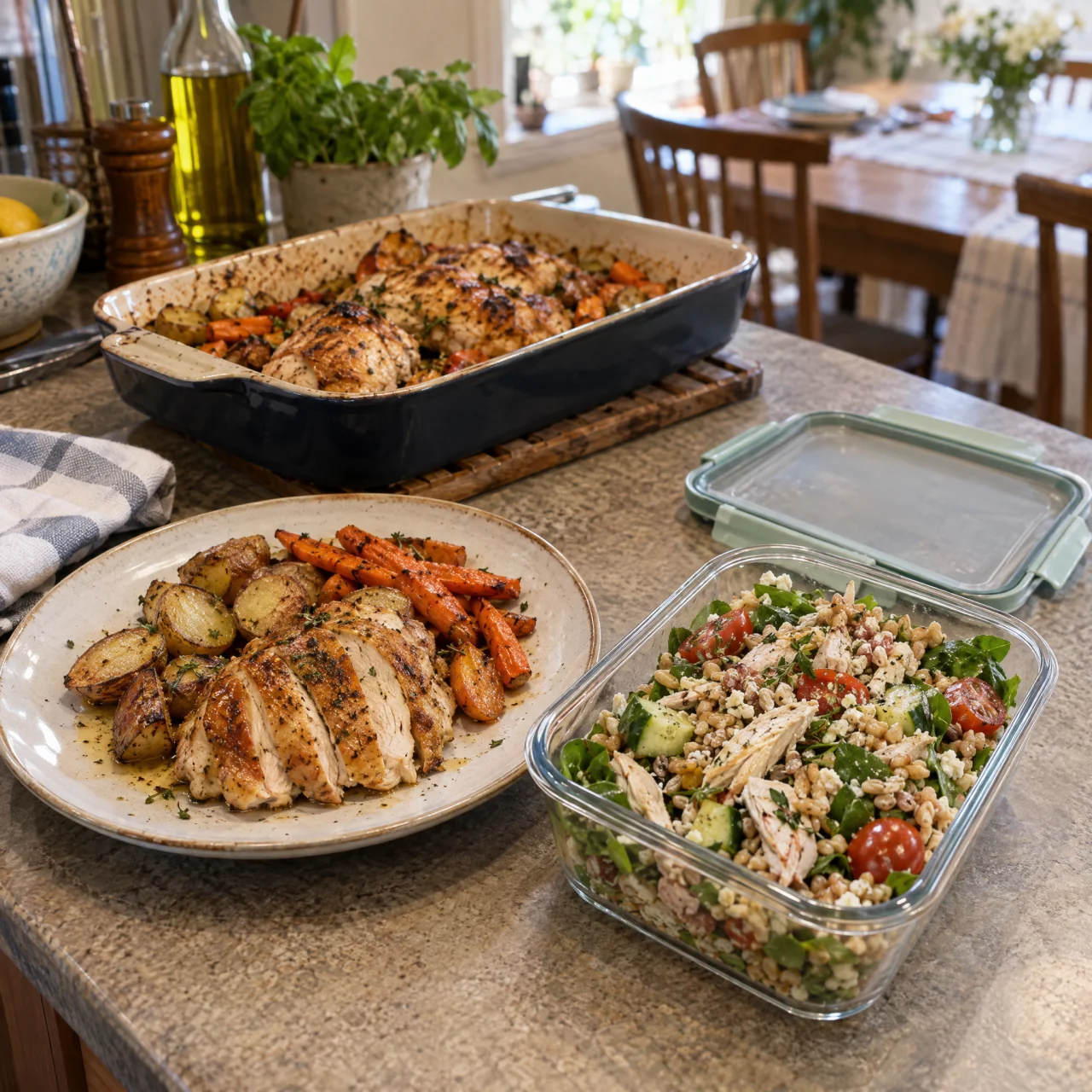
Fresh dinners or planned leftovers
Seven fresh dinners offer more variety, but they also create more cooking and cleanup. Planned leftovers reduce work when one dinner becomes the next day’s lunch or when cooked grains, vegetables, or chicken appear in a second meal. ChatGPT can compare fresh nightly cooking, batch preparation, and planned leftovers, showing the tradeoffs in cooking time, variety, and cleanup.

Make next week easier
At the end of the week, mark which meals were eaten, which made useful leftovers, and which ingredients went unused. Keep the easy favorites, replace meals that caused extra work, and carry flexible staples into the next grocery list. ChatGPT can use your short notes from the week to refresh the seven-day plan and create a simpler shopping routine for next time.
Ask ChatGPT
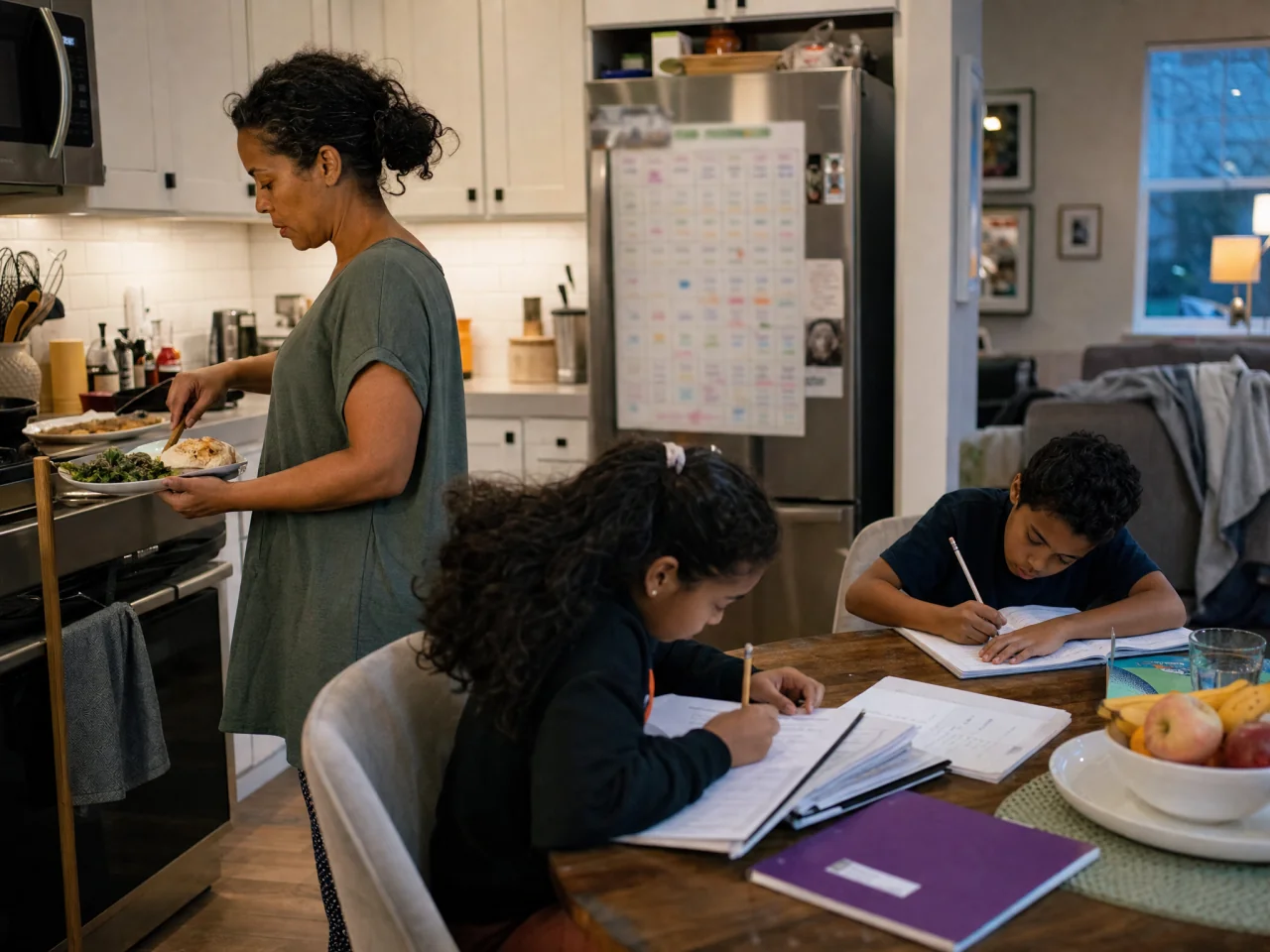
Make your whole week run easier
Use the meal rhythm as a base for a simple weeknight routine that also covers homework, chores, and cleanup. A clear flow can reduce last-minute decisions.